
A wedding photograph can show what happened. Cinematic wedding photography lets you feel what it was like to be there: the anticipation before the ceremony, the wind catching a veil, the quiet look shared after the guests have gone. It is not about making your wedding look like someone else’s film. It is about giving your own celebration atmosphere, movement, and emotional weight.
For couples planning a destination wedding, that distinction matters. The landscape, the weather, the pace of the day, and the people you love all become part of the visual story. A beautiful image is only the beginning. The goal is a collection that brings you back to the moment every time you see it.
What Cinematic Wedding Photography Really Means
Cinematic does not mean stiff poses, heavy filters, or a day spent performing for the camera. It means photographs are created with intention. Your photographer pays attention to light, composition, movement, color, and the small transitions that make a wedding day feel personal.
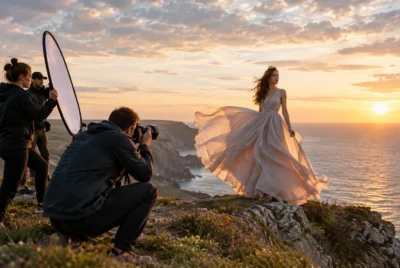
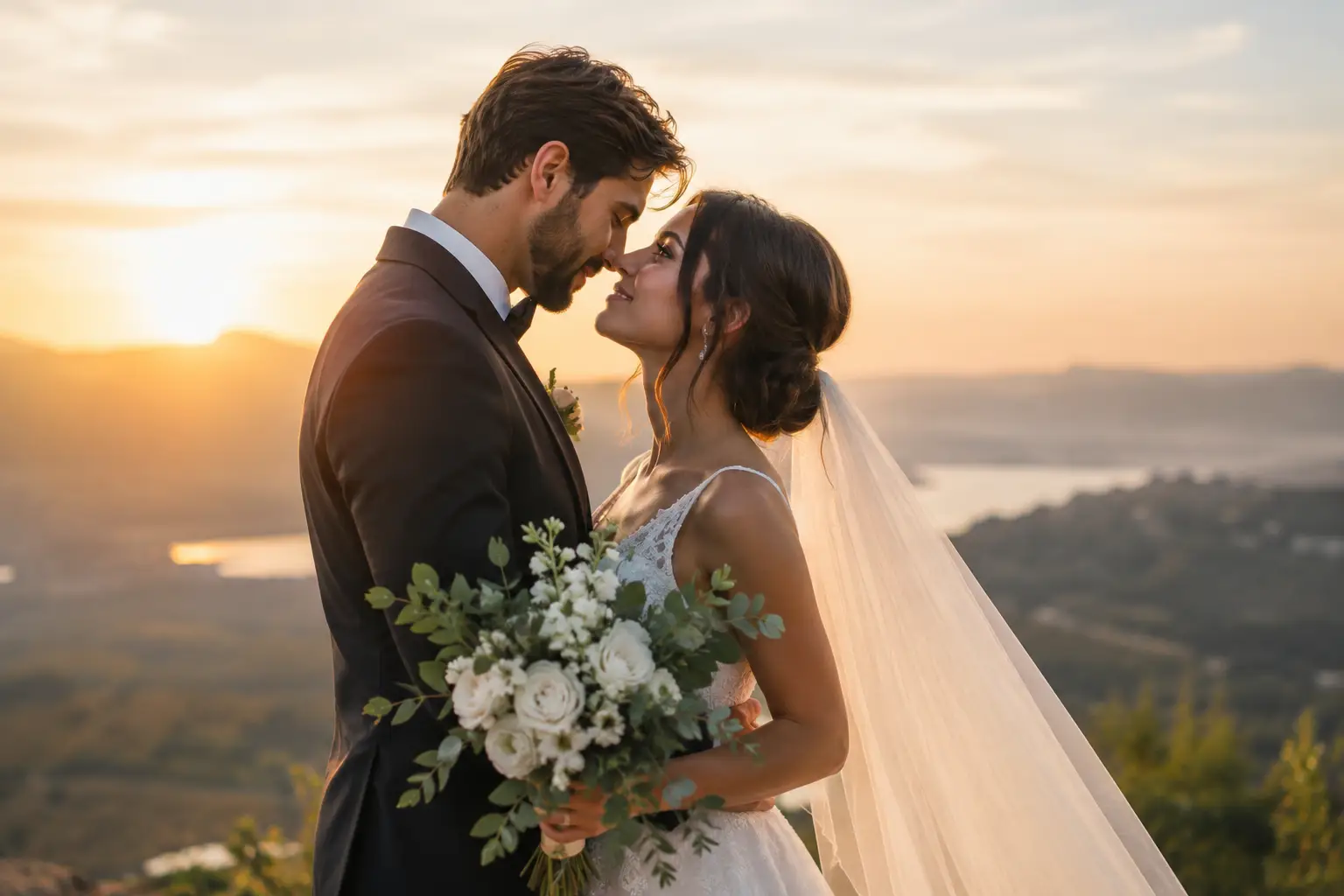
Think of the difference between a snapshot of a couple walking and an image where the setting sun falls behind them, a dress moves with the breeze, and their hands find each other naturally. Both record the same moment. One simply holds more feeling.
This style often blends polished portraits with honest documentary moments. You may be gently directed toward the most flattering light, then left space to laugh, speak, breathe, and enjoy each other. The best results feel elevated without feeling overproduced.
It is storytelling, not a collection of poses
A cinematic gallery has rhythm. It begins with details that establish the setting: invitation paper, jewelry, flowers, a dress waiting by the window. It builds through getting ready, the ceremony, embraces, speeches, and the energy of the celebration. It also makes room for stillness.
Those quieter frames are often the ones couples treasure most. A parent adjusting a veil. A partner reading a note before the first look. A few unhurried minutes together after the ceremony. These images give the grand views and joyful group portraits their emotional context.
The Elements That Create a Cinematic Look
Light is the starting point. Soft morning light can make getting-ready photographs feel intimate and refined. Late afternoon and sunset create warmth, dimension, and a more romantic sense of place. After dark, a thoughtful use of ambient light or flash can turn a dance floor, terrace, or candlelit dinner into something dramatic and alive.
Movement is equally powerful. A veil lifted by the wind, a flowing skirt in motion, guests tossing petals, or a couple walking through a favorite view can bring natural energy to still photographs. Movement should never become a distraction. It works best when it reflects the mood of the day and feels comfortable for you.
Composition gives images their visual structure. Architectural lines, whitewashed walls, coastal horizons, stairways, doorways, and layers of guests can frame a moment beautifully. In Santorini, the caldera and the island’s distinctive villages offer a naturally cinematic backdrop, but the setting should support the couple rather than overpower them.
Color also shapes the final mood. Some weddings call for soft, luminous tones. Others suit richer contrast, deep evening blues, warm skin tones, and candlelight. A consistent edit helps every photograph belong to the same story, from the first preparation image to the final celebration.
How to Plan for Cinematic Wedding Photography
The most natural-looking photographs usually begin with thoughtful planning. You do not need to create a rigid shot list or turn your wedding into a production. You do need to protect enough time for the parts of the day that matter most.
Start with your ceremony time. If portraits are important to you, consider where the sun will be before and after the vows. A midday ceremony can be beautiful, especially with shade and a well-chosen venue, but it brings brighter light and stronger shadows. Planning a short portrait session closer to sunset often adds a softer, more dimensional look.
Build in breathing room between events. A rushed schedule is visible in photographs, no matter how experienced the photographer is. Ten extra minutes for getting dressed, a calm first look, or a private walk after the ceremony can create images that feel effortless because you were actually able to be present.
Choose details that move and photograph well
You do not need extravagant styling to create beautiful imagery. A few considered choices go a long way: fabric with movement, florals with texture, elegant stationery, meaningful jewelry, and a ceremony space that allows the landscape or architecture to breathe.
For a destination celebration, practical choices matter too. Strong island wind may call for a secure veil, well-fitted accessories, and a hairstyle designed to hold its shape while still moving naturally. If you are wearing a dramatic gown or adding a flying dress portrait session, plan it around the day rather than squeezing it into an already crowded timeline.
Hair and makeup deserve the same level of thought. They should look polished in close-up photographs while still feeling like you. A professional beauty team can account for bright sun, humidity, wind, and long hours, then create a look that stays fresh from preparation through the evening.
Direction Should Feel Personal, Not Performative
Many couples worry that they are not naturally photogenic. Usually, they do not need to be. What they need is calm, clear guidance from a photographer who knows when to direct and when to step back.
During portraits, simple prompts work better than complicated poses. Walk together slowly. Turn toward the light. Hold each other close and take a moment without speaking. These small directions create natural reactions while ensuring your posture, hands, and expressions are photographed at their best.
It is also helpful to share what matters to you before the wedding. Perhaps you care most about candid family moments, editorial couple portraits, your reception energy, or the landscape that brought you to Greece. A photographer can prioritize those elements only when they understand the experience you want to remember.
At Santorini.photo, Alex and Jozefina bring photography, styling, and beauty planning into one personal process, helping couples feel prepared without losing the spontaneity that makes a wedding day real.
When a More Cinematic Approach May Not Fit
This style is flexible, but it is not one-size-fits-all. If you want every minute of the day captured exactly as it unfolds with almost no portrait direction, a purely documentary approach may feel more comfortable. If you prefer formal, traditional group images as the center of your album, make that clear early so enough time is reserved.
A cinematic approach also asks for a little patience. The most striking portrait may happen when the light changes, the crowd clears, or the wind settles for a minute. It may mean stepping away from cocktail hour for fifteen minutes. For many couples, that brief pause becomes one of the few private moments they have all day. For others, staying with their guests is the higher priority. Both choices are valid.
The right plan reflects your wedding, not a trend. Your photographs should preserve the celebration you actually wanted to have.
Questions to Ask Before You Book
Ask how the photographer approaches a full wedding day, not only portrait time. You want to understand how they work in changing light, how they handle a delayed schedule, and how they photograph meaningful unscripted moments. Request clarity on coverage, the expected delivery process, and any assistance with location, beauty, or timeline planning.
Look beyond a handful of favorite images. A strong wedding gallery should feel cohesive across bright daylight, indoor preparations, ceremonies, sunset portraits, and evening celebrations. Notice whether people look relaxed, whether skin tones feel natural, and whether the images carry a sense of connection.
Most of all, choose someone whose presence makes you feel at ease. Trust changes photographs. When you do not have to wonder what happens next, you can give your attention back to your partner and the people gathered around you.
Your wedding will move quickly, even when it is beautifully planned. Give it room for a little light, a little movement, and a few quiet minutes together. Those are often the moments that make cinematic wedding photography feel less like a styled production and more like your life, remembered at its most beautiful.